There’s a common assumption that planning a house move begins close to moving day. Boxes appear. Vans are booked. Decisions are made quickly. In practice, the moves that feel most manageable rarely work that way.
The most important work tends to happen long before a single box is packed.
The long view is the calm one
Moves that feel rushed often didn’t start late. They started without intention.
When planning is postponed entirely, decisions compress into short timeframes. Decluttering becomes frantic. Repairs feel reactive rather than strategic. Staging to sell becomes something to squeeze in rather than something that genuinely enhances value and presentation.
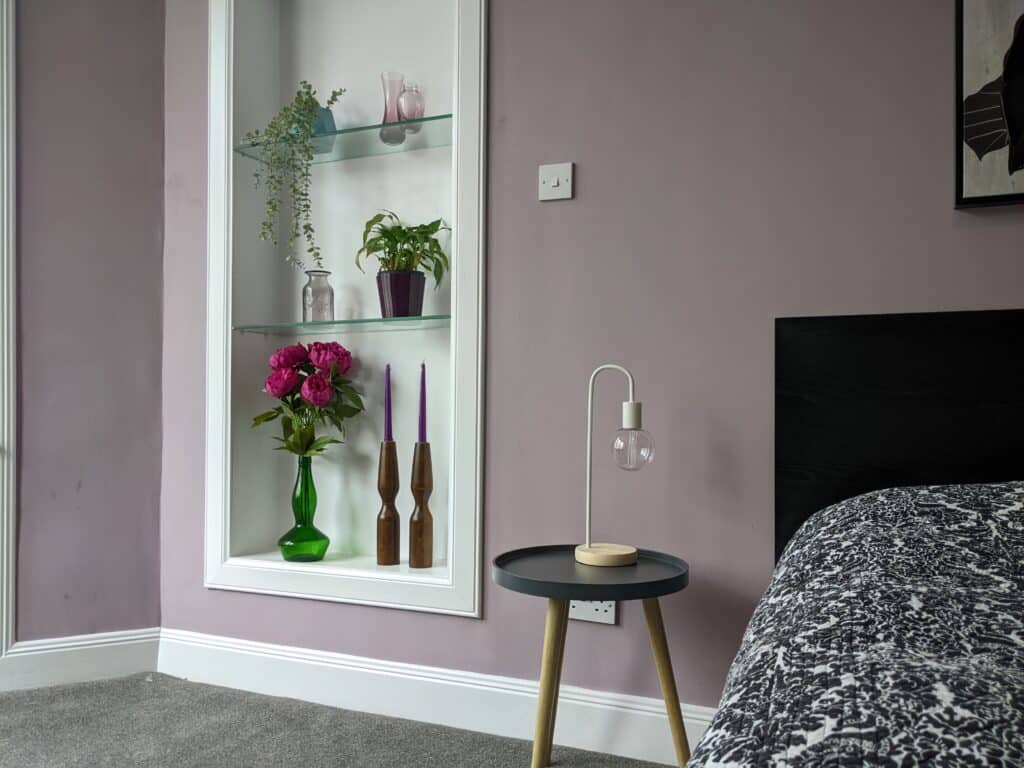
We see this particularly in Glasgow and Edinburgh, where once momentum builds, everything can move very quickly.
By contrast, early preparation allows for rhythm. Instead of tackling everything at once, people move through their homes gradually. Repairs and improvements are done thoughtfully rather than under pressure. Decisions about what to keep, what to pass on and what no longer serves a purpose are spaced out rather than stacked on top of one another.
This respects how people actually process change.
Planning is not the same as doing
Planning a move does not mean committing to immediate action. At this stage, preparation can be gentle. A slow audit of storage spaces. Noticing which rooms feel heavy. Identifying which areas of the house might benefit from repair, redecoration or re-staging before being brought to market.
This is not a to-do list. It’s orientation.
Calm at the end of a move is rarely accidental. It is shaped quietly, months before moving day arrives.